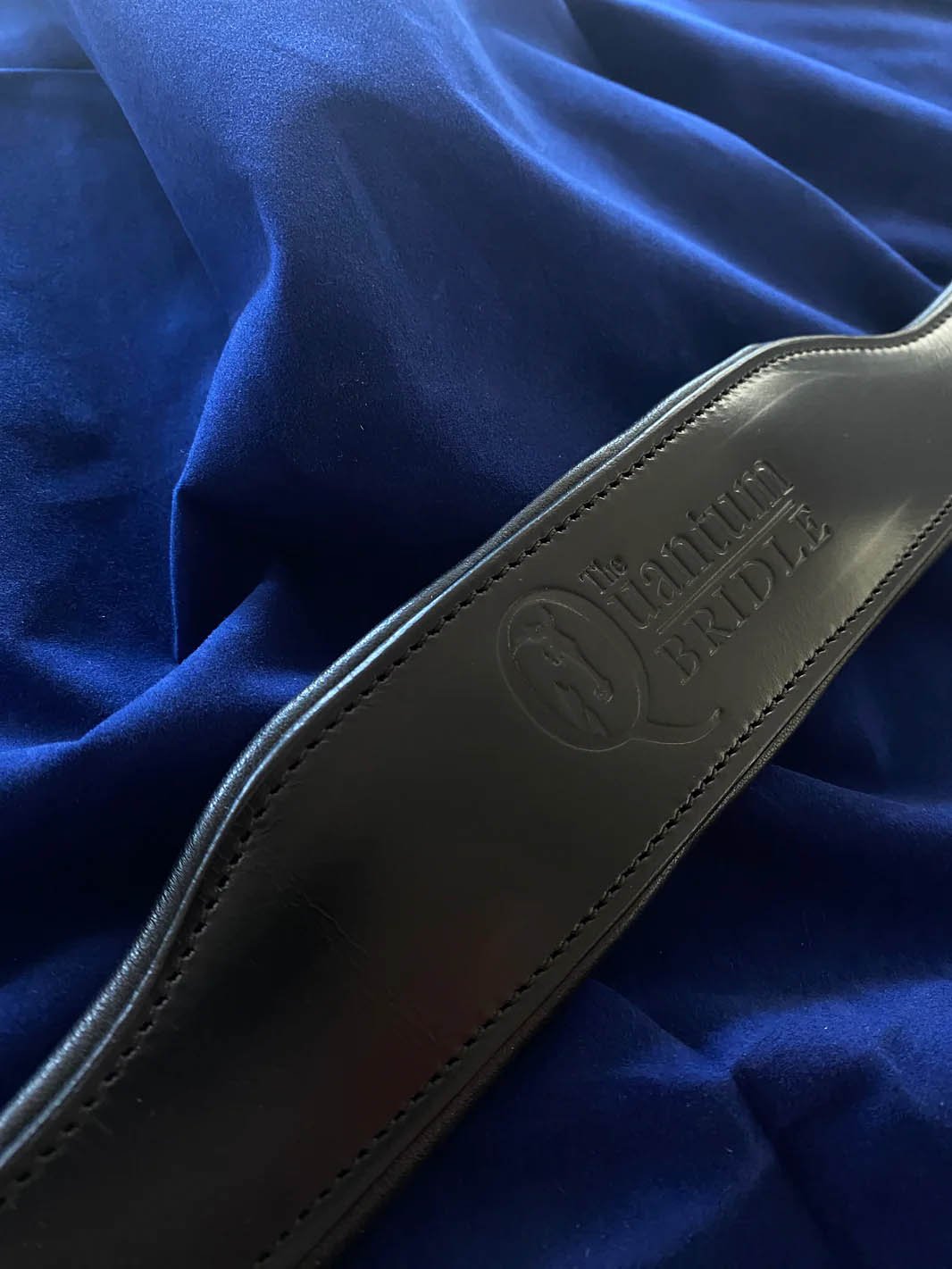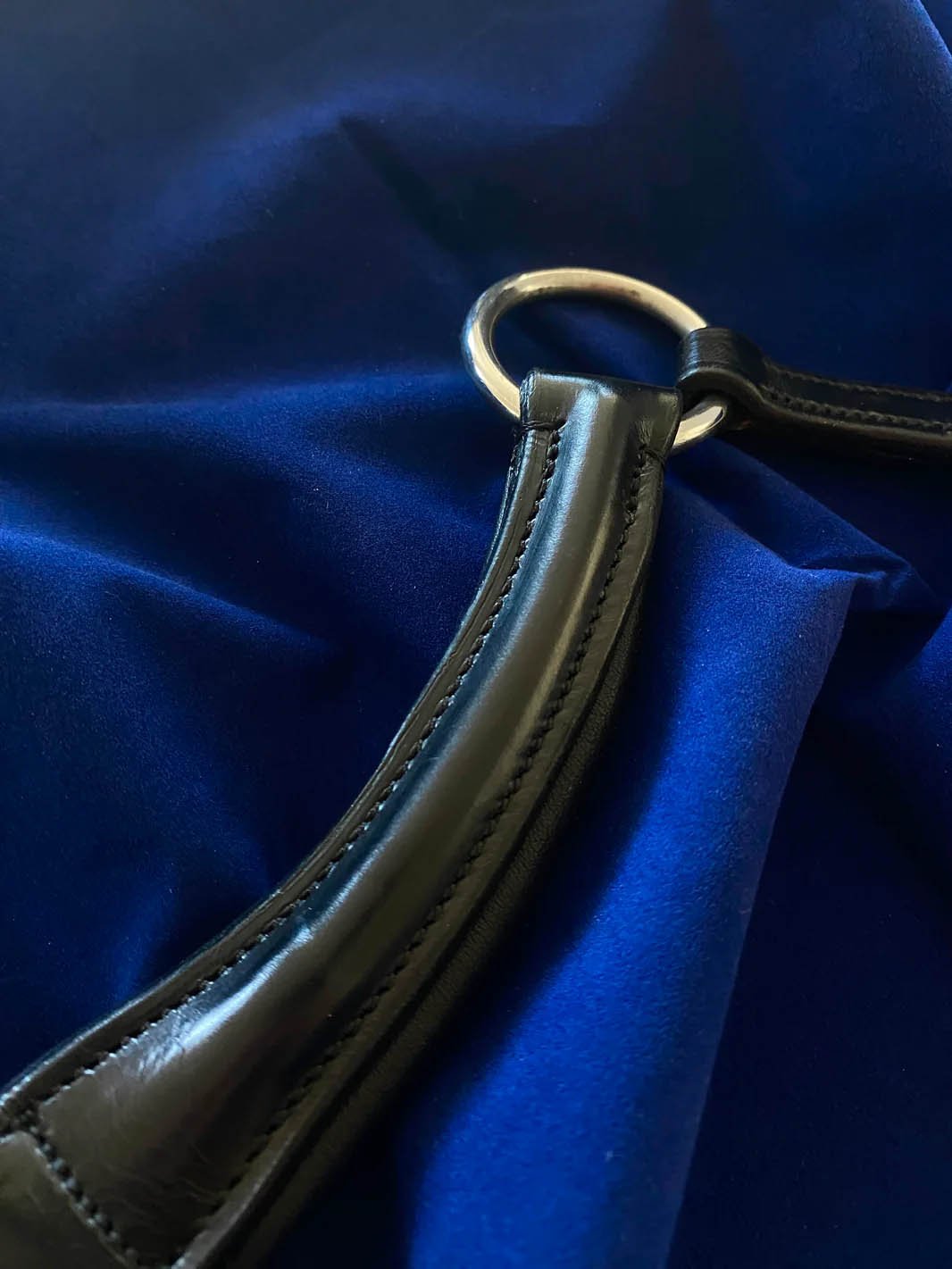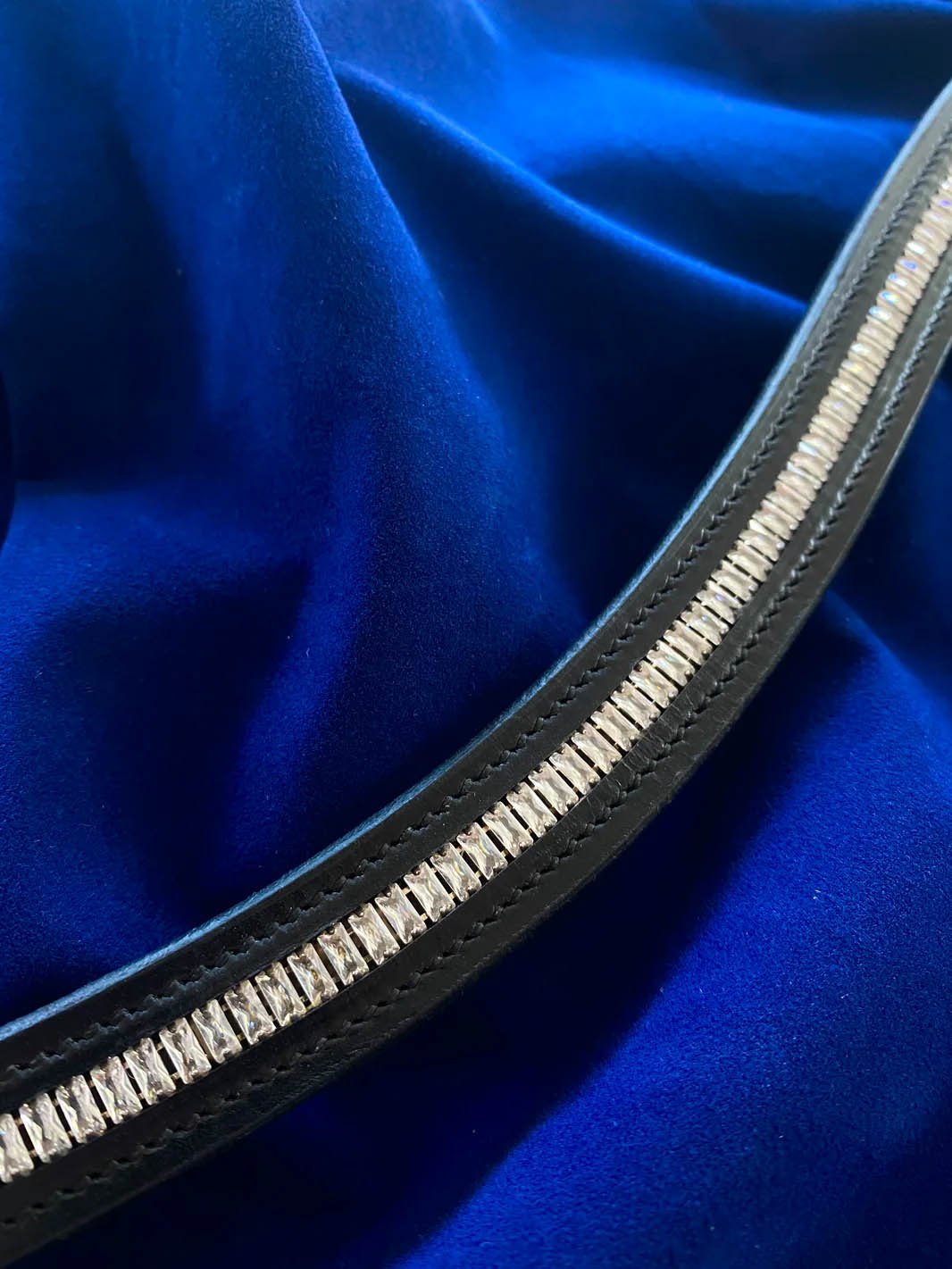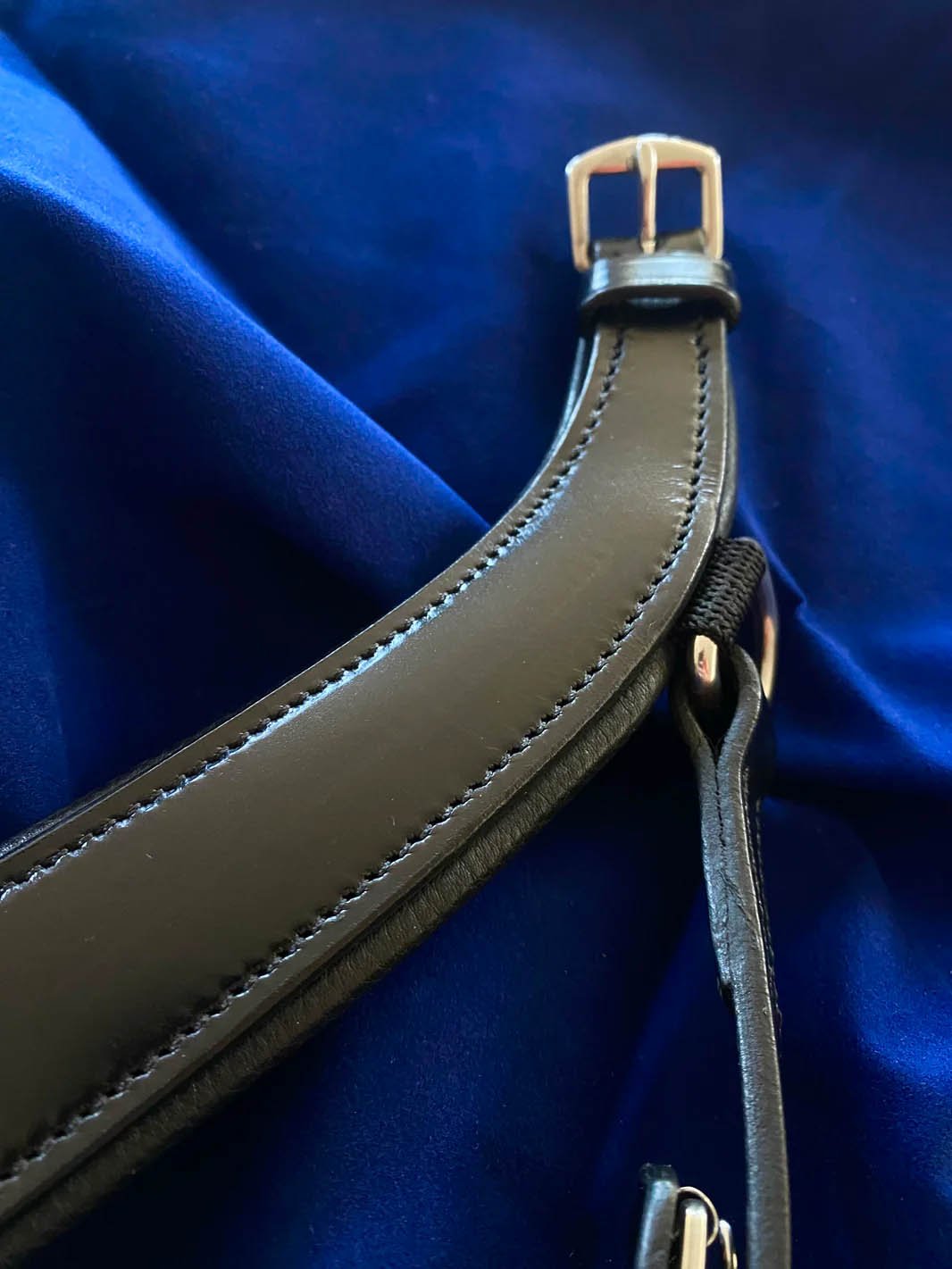
Proven to reduce pressure and improve performance
The Science Behind the Bridle
How the Quantum Bridle affects equine muscle function
In 2020 using acoustic myography recordings, revealed that horses not only exhibit a MUCH MORE REGULAR MUSCLE ACTIVITY but there muscle contractions are also associated with FEWER SUDDEN UNCOMFORTABLE/ PAINFUL MUSCLE REACTONS with a highly BALENCED MUSCLE USE therefore contributing to LESS FATIGUE and GREATER RANGE OF MOVEMENT.
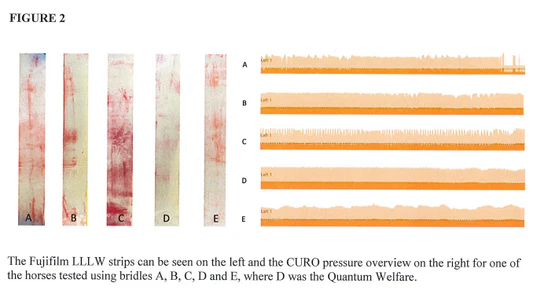
In 2023 following the sudden and unexpected ban of the Welfare noseband by FEI after 4 years of approval Professor Adrian Harrison performed another independent study using the Quantum bridle and 4 other randomly picked anatomical FEI approved bridles. Using 3 different methods of testing (Fuji Film, CURO and SEN0299) and several horses with bridles picked in random order per horse, each bridle was fitted with the FEI approved taper Gauge. In conclusion Quantum Welfare noseband EXERTS SIGNIFICANTLY LESS PRESSURE on the nose than all of the FEI approved bridles in all 3 forms of testing.
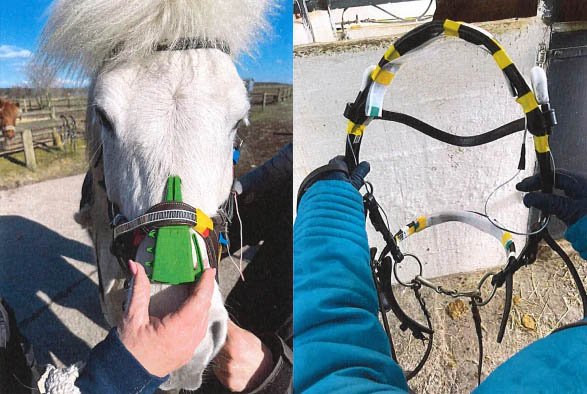
The Quantum Bridle was independently tested by Professor Adrian Harrison at the Copenhagen Vet university and published in the Vet journal twice.
Read all research articles
Loading Viewer...
Loading Viewer...
Excerpt from VETS Journal with research results relating to The Quantum Bridle
A total of 12 horses were fitted either with a standard bridle or the Quantum, and then exercised in a training arena at the walk, trot and canter to a set routine by a qualified rider who is also a veterinarian. Both m. Splenius and m. Brachiocephalicus were measured by Dr. Adrian Harrison of Copenhagen University and his team.
The results were highly significant.
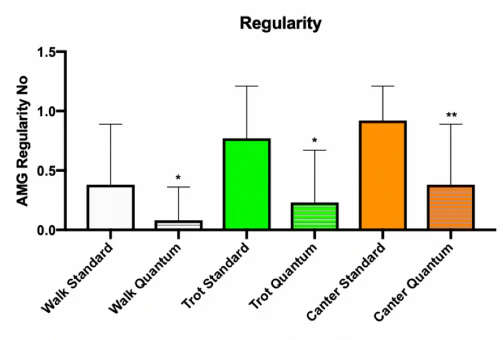
The Quantum was found to result in a significantly more regular muscle pattern for both muscles and for all (3-5) gaits compared with the standard bridle – the difference at the canter was especially significant.
It was also observed that the Quantum resulted not only in regular patterns of muscle activity, but also a faster turn of speed for the gaits measured compared with the standard bridle.
Regular muscle activity is essential when competing for dressage, jumping or other equine sports competitions, where sudden changes in posture, range of motion or direction may contribute to a low score.
The Quantum was found to induce significantly fewer spikes for both muscles and for all (3-5) gaits compared with the standard bridle – most of these differences were highly significant.
Lateral flexion of the neck muscle was not only significantly better than that with the standard bridle, it was also very even which indicates that the Quantum bridle is allowing the horse to use its head as a counter balance in canter.
SUMMARY: An overall assessment of the Quantum, using acoustic myography recordings, reveals that horses not only exhibit a much more regular muscle activity during periods of physical activity, but that their muscle contractions are also associated with fewer sudden uncomfortable/painful muscle reactions, and that their muscle use is highly balanced and therefore contributes to less fatigue and greater range of movement – all compared with a standard bridle.
Both of the muscles selected in this study comprise part of the lateral myofascial kinetic line (LL, [10]) and additionally part of the front limb protraction line (FLPL, m. brachiocephalicus) and the spiral line (SPL, m. splenius). Indeed, not only are the LL and SPL kinetic myofascial lines present cranially and in the neck, they both run throughout the body of the horse connecting both major muscle groups as well as the muscles in the neck to muscles in the hindlimb [10]. Where the LL is dominating in lateral flexion coupled to either flexion or extension of the trunk, the SPL is related to the diagonal coordination, cross coordination and thereby the faster speeds such as galop. The lines work together with the other body lines through interconnections creating a balanced, functional and mechanical collaboration in a full body 3D web of myofascia.
Loading Viewer...
Loading Viewer...